
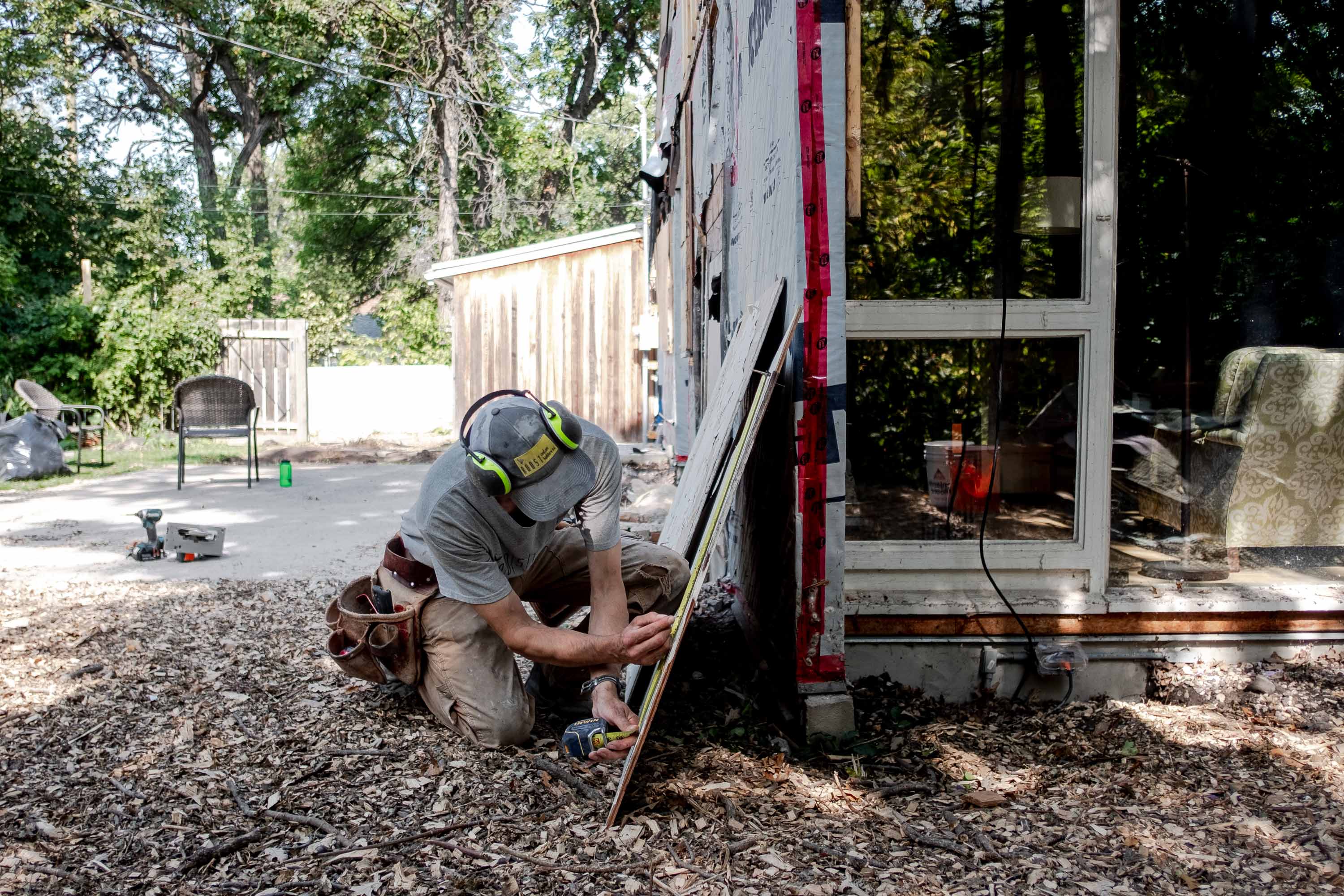



Old homes: a store of history, culture, and people
There is a lot to love about older homes. The character, the history, the tree lined streets. They usually outlive people. There is also a lot not to love; too hot and damp in the summer, too cold and dry (and then somtimes damp) in the winter. Roost is often sought out by people who love their older homes but want to update them to add some comfort and functionality.
Renovating older homes is a great way to preserve these structures, but without proper insight into the science behind how they have functioned as systems, you can quite easily create big problems.
What are old houses made of?
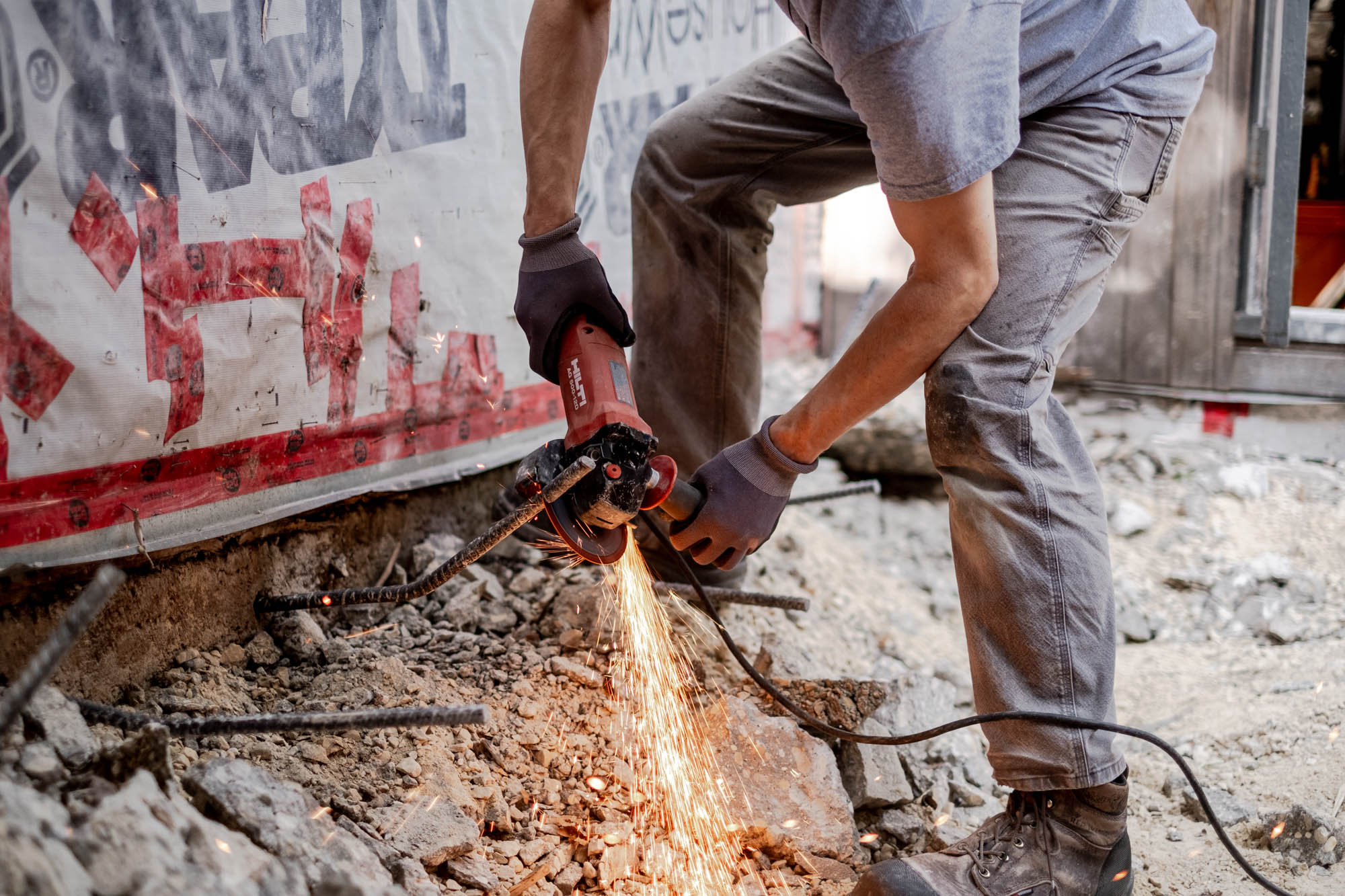
When we talk about older homes, in Winnipeg we generally mean homes built before 1940. These homes will have stone or concrete foundations on footings and will be framed with old growth coniferous trees. They generally do not have any plywood or OSB; instead they have wide board sheathing. They don’t have drywall, they have plaster. If there is even insulation in the walls at all it is usually wood chips, newspaper, or animal hair. Siding is either wood or thick stucco. Windows are wood and glass and doors are solid wood.
You've probably heard about all these materials, and if you own an old home, you probably know a few them too well. What isn't obvious, however, is the way that these "old" materials interact to create stunning longevity, and understanding the relationship between them is key also to understanding how and why things go wrong with old homes.
How "old" materials succeed together
Here's how it works (or used to work): a leaky old wood and glass window will let water down the inside of your walls, which creates a risk for rot and mold. However, since your walls are not very air tight, the air moving through the walls picks up and carries away moisture, helping to keep everything sufficiently dry. This works great for preserving the structure of the home, but it is not very comfortable and wastes a lot of energy. The home lasts and provides great shelter through the seasons and years, but you tend to get drafts and uneven temperatures through the house and your furnace bill chews a hole in your finances and spits a ton of carbon out into the atmosphere.
How new materials break the system
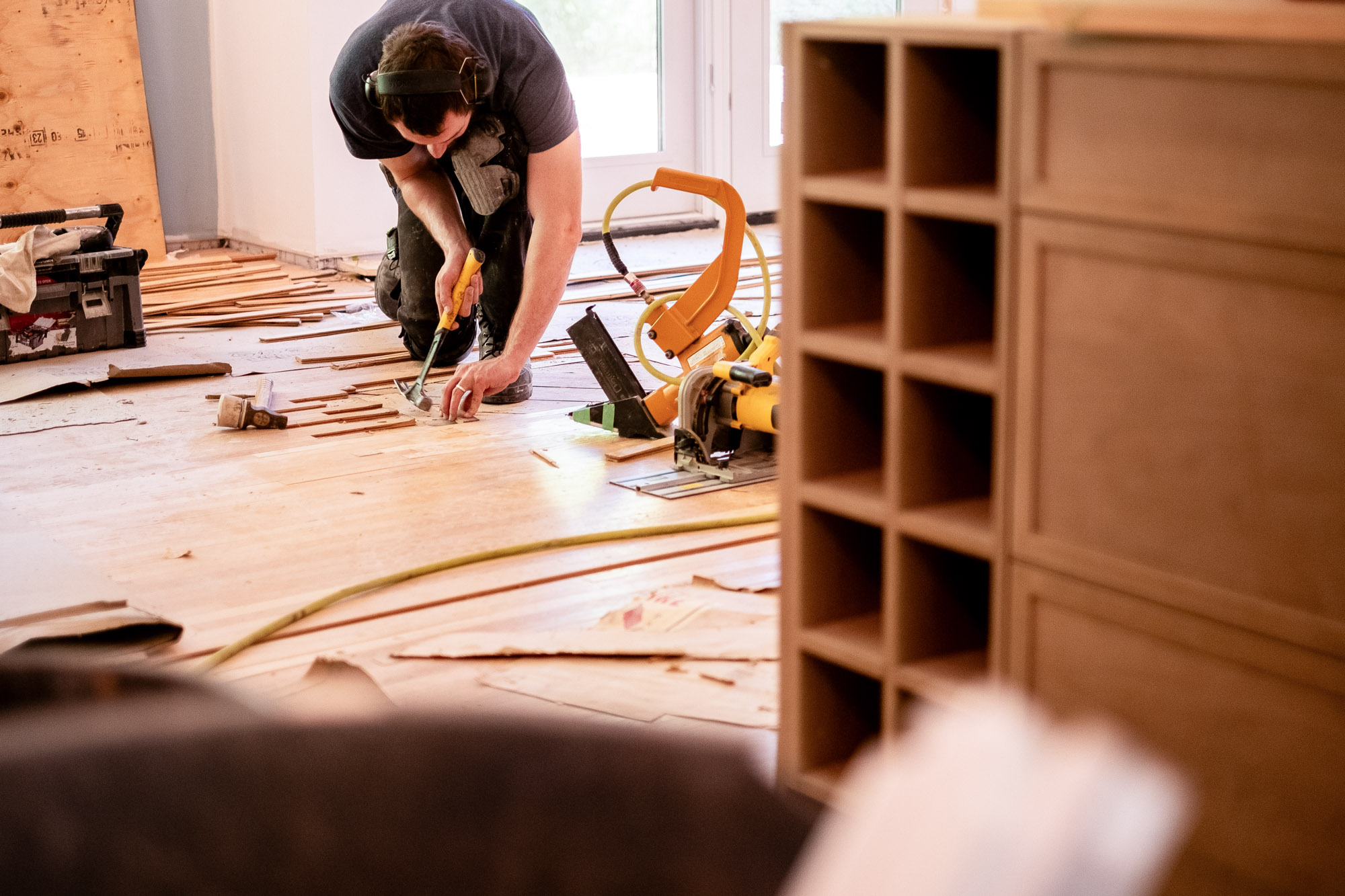
To increase comfort and lower energy use, individuals and builders might simply add insulation and an air/vapour barrier in the walls of an old house. But, while this generally achieves the goal of making the house more comfortable for its occupants, it creates problems for the underlying system that will have huge consequences.
Even though we've increased comfort in the home, we've slowed the airflow through the exterior walls. Since this airflow was removing moisture, that moisture now stays inside the house and builds up, creating a recipe for rot that will impact the structure further down the line. Addressing the exterior cladding is an essential part of an interior insulation installation.
Furthermore, the interior finish of the walls before the renovation were plaster, but now they're drywall. Despite being a legacy material that is hard to work with and prone to a wide range of issues, plaster actually has the amazing ability to absorb excess moisture, hold it without molding, and slowly release it back into the air. The paper backing on drywall, on the other hand, is an excellent substrate for mold to grow. Even if you have put up plastic sheathing behind the drywall to protect it from the water coming in from the leaking window, becuase you have stopped air leakage, moisture will start to build up inside of your house, and this can create problems.
Even something as simple as painting the exterior of your older home can create issues. Depending on the wall system that your home has, some paints on the exterior of your home can create a vapour barrier, kind of like wrapping your home in a plastic bag, trapping moisture in the walls causing wood to rot and brick to disintegrate.
The problem generally is the introduction of new materials that don't have the same properties as the materials they replace, leading to a breakdown of the system that once ensured the materials of the home were kept dry and free of moisture.
Renovations that work and last for generations have to be systemic
At Roost, we've seen a lot of building product failure. In doing renovations we get to be forensic scientists and find out where things have failed or are starting to fail. We also proactively follow the latest building science and best practices in our industry, and we're keenly aware that the way our society builds its buildings, especially its homes, needs to change. We cannot just keep dumping endless amounts of energy on quick, temporary fixes to our homes to keep them from falling down.
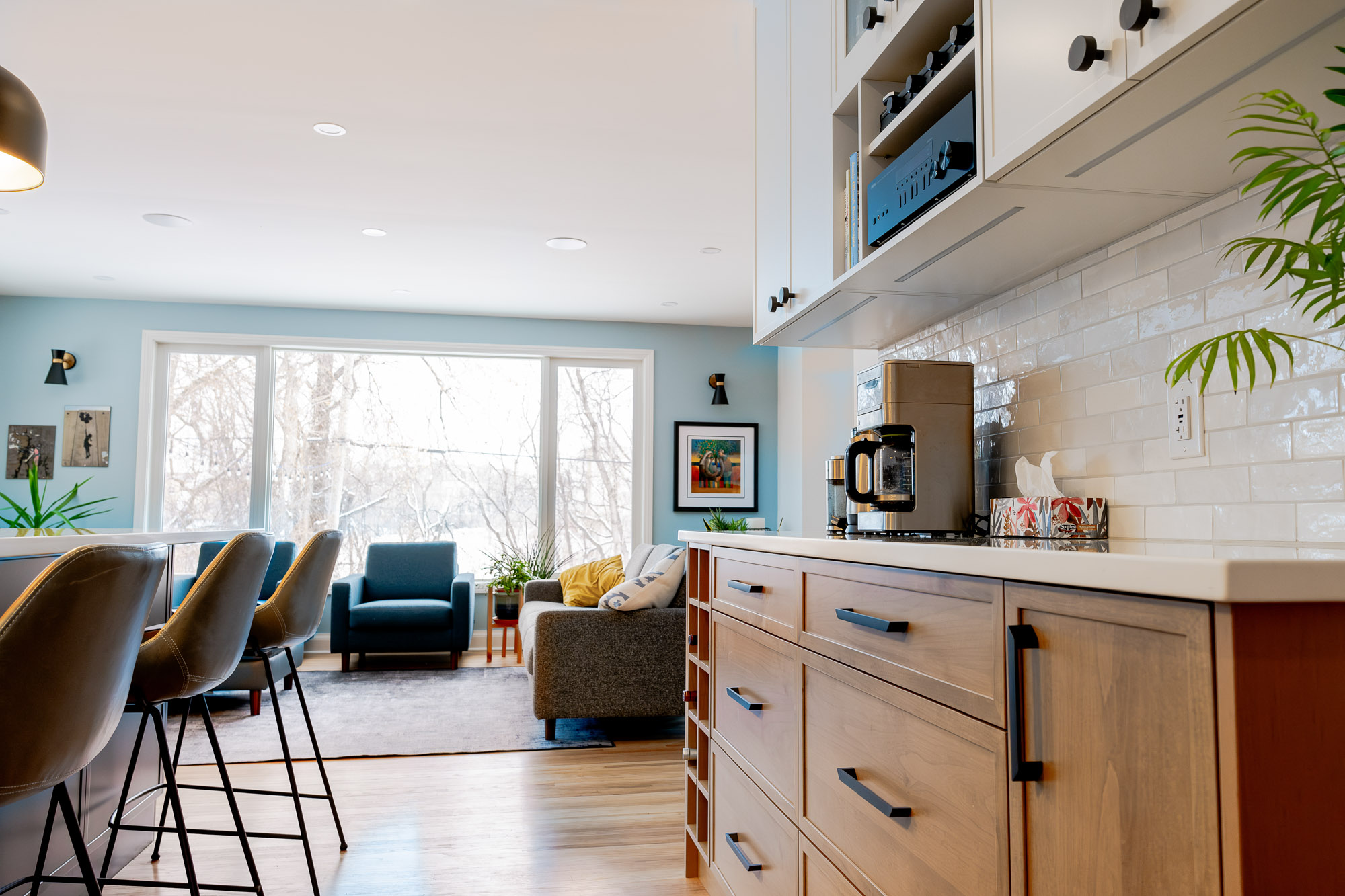
We see buildings and high performance building techniques as systems that need to be analyzed and modified as a whole. When updating the envelope of an existing structure, we know that we need to address rain water drainage, air infiltration, thermal resistance, water vapour, and indoor air quality all together at the same time. By making sure that we are addressing all of these together we are ensuring that the structure will continue to be resilient for the centuries to come.